

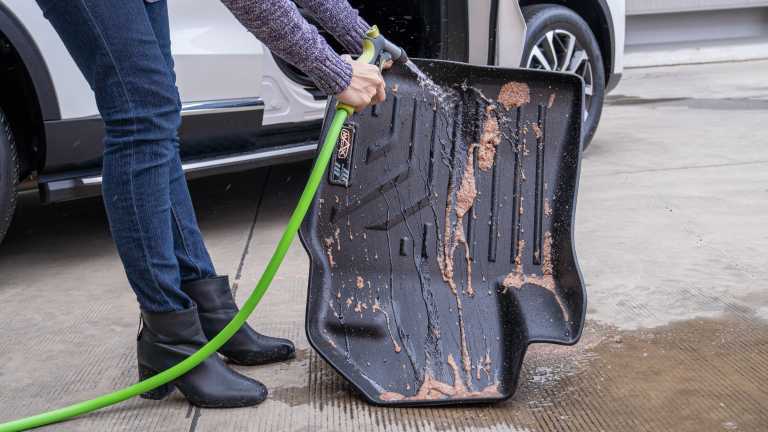
Good floor mats do far more than keep dirt off the carpet. In SUVs and trucks, they take the daily hit from mud, rain, gravel, work boots, pet hair, road salt, and the kind of hard use that quickly shows up in the cabin. The best all-weather options protect resale value, make cleanup easier, and give the interior a more finished, intentional look. Choosing well means looking past the basic idea of coverage and focusing on how a mat fits, how it contains mess, and how it holds up over time.
What Makes All-Weather Floor Mats Worth Buying?
Standard carpet mats can handle light dust, but they are rarely the right answer for vehicles that see real use. SUVs often serve family, travel, and outdoor needs all at once. Trucks move between job sites, errands, bad weather, and weekend hauling without a pause. In both cases, all-weather floor mats offer a practical advantage because they are built to resist moisture and trap debris before it reaches the factory flooring.
The biggest difference is containment. A strong all-weather mat should not simply lie flat underfoot; it should create a protective zone. Raised outer edges help keep melted snow, spilled drinks, sand, and mud from spreading. Deep channels or textured grooves matter too, because they direct moisture away from the shoe contact area and reduce the chance of grime being tracked across the cabin.
Durability is the second reason these products stand out. A well-made mat should resist curling, cracking, and flattening in changing temperatures. That matters especially in trucks and larger SUVs, where entry points see more pressure from heavy footwear and frequent use. Better designs also stay more securely in place, which supports both comfort and safety.
For buyers comparing options, it helps to review vehicle-specific floor mats that emphasize full coverage, retention compatibility, and easy-clean surfaces. Maxpro Liners, for example, fits naturally into that conversation because its product focus reflects what SUV and truck owners typically need: protection that looks clean and works hard.
Fit Matters More Than Most Buyers Expect
If there is one feature that separates average mats from excellent ones, it is fit. Universal mats can seem convenient, but they often leave vulnerable areas exposed. In larger vehicles, those gaps become obvious around the dead pedal, seat tracks, door sills, and rear footwells. A poor fit also tends to shift more easily, which undermines both appearance and function.
Custom or vehicle-specific floor liners generally deliver the best result because they are designed around the shape of the cabin. That means better edge-to-edge protection and a cleaner visual integration with the interior. For SUVs with second and third rows, this becomes especially important. A mat that fits precisely around seating hardware and contours can make the difference between a cabin that stays under control and one that constantly feels dusty or damp.
Truck owners should pay close attention to front-row coverage and rear-floor geometry. Crew cabs, extended cabs, and regular cabs all have different needs, and rear-floor humps can make bargain mats look awkward or sit unevenly. If the truck is used for work, broader coverage becomes even more valuable because grit and small stones tend to collect where flat mats stop short.
- Look for retention system compatibility: Mats should work with factory anchors or clips where applicable.
- Check edge height: Taller sidewalls can improve spill and slush containment.
- Consider rear-seat layout: One-piece rear liners often provide cleaner coverage than split designs.
- Review pedal clearance: The driver-side mat should never interfere with foot movement.
Best Materials for SUVs and Trucks
Not all all-weather mats feel or perform the same. Material choice affects flexibility, odor, appearance, cleaning effort, and cold-weather behavior. Three broad categories appear most often, and each has strengths depending on how the vehicle is used.
| Material | Best For | Advantages | Watch For |
|---|---|---|---|
| TPE | Daily driving, family SUVs, modern trucks | Flexible, durable, usually cleaner-looking, often more tailored in design | Quality varies by thickness and finish |
| Heavy-duty rubber | Work trucks, muddy climates, rugged use | Tough, grippy, strong moisture resistance | Can feel heavier or more industrial in appearance |
| Vinyl blends | Budget-focused buyers, light utility use | Affordable, easy to wipe down | May be less refined in fit and long-term wear |
TPE is often a strong choice for drivers who want a balance of durability and a more premium look. It typically feels more refined than basic utility mats while still offering the weather resistance people expect. Heavy-duty rubber remains a solid option for trucks that see dirt, tools, and frequent in-and-out use. What matters most is not simply the material name, but how well the product is shaped, finished, and reinforced.
Avoid choosing based on thickness alone. A thick mat with weak fit or shallow channels can underperform a better-designed liner made from a lighter material. In practical terms, shape, edge structure, and stability underfoot matter just as much as the substance itself.
How to Choose the Best All-Weather Floor Mats for Your Lifestyle
The best option depends on how your SUV or truck is actually used. A commuter vehicle in a wet climate needs different priorities than a pickup that sees landscaping debris, hunting gear, or construction dust. Before buying, it helps to match the mat to the cabin routine rather than to a generic idea of toughness.
- Assess your mess profile. Think about what enters the cabin most often: snow, sand, pet hair, mulch, coffee, or muddy boots. This helps determine whether you need deeper channels, taller lips, or simply more precise coverage.
- Prioritize the rows that take abuse. Some households need full-cabin protection, while others mainly need front-row durability and a strong cargo solution.
- Choose the right visual finish. A mat should suit the vehicle. Some buyers want a rugged work-truck look; others want protection that still feels polished.
- Think about cleanup frequency. If you wash out the interior often, choose mats that remove easily and do not hold onto dirt in tight textures.
- Factor in climate. Cold regions demand mats that stay flexible and continue to sit flat in winter conditions.
This is also where value becomes clearer. Cheap mats may solve a short-term problem, but if they slide, trap odor, or lose their shape, they quickly become frustrating. Better floor mats feel like a one-time decision that improves the vehicle every day, especially in high-use family and work settings.
Maintenance, Longevity, and Everyday Use
Even the best floor mats need occasional care to perform properly. The good news is that maintenance is simple when the material and design are well chosen. Most all-weather mats can be removed, shaken out, rinsed, and left to dry without much effort. The easier this process feels, the more likely owners are to keep the cabin consistently clean.
Routine care also extends product life. Debris left in channels can harden, especially after repeated wet-dry cycles, and that can make the mat look tired sooner than it should. A quick rinse and soft brush are usually enough. Harsh chemical cleaners are rarely necessary and may leave residue or dull the finish. For premium-looking interiors, regular simple cleaning is usually the better approach.
It is worth checking mats seasonally for curling edges, wear around anchor points, and any movement in the driver footwell. These small signs reveal whether the original fit and build quality were strong enough for the vehicle. In a truck or SUV, where use patterns are demanding, a good mat should remain stable and presentable long after the first muddy season.
Owners who take pride in the details often find that all-weather liners improve the whole ownership experience. The cabin feels easier to manage, post-trip cleanup is less annoying, and the vehicle keeps a more cared-for appearance even when it is used hard. That combination of protection and convenience is exactly why quality floor mats continue to be one of the smartest upgrades in this category.
Final Thoughts on the Best Floor Mats for SUVs and Trucks
The best all-weather floor mats for SUVs and trucks are the ones that match the vehicle precisely, contain mess effectively, and stand up to real use without looking tired after a season. Fit should come first, followed by material quality, edge design, and stability underfoot. When those elements come together, the result is not just cleaner carpeting, but a better-functioning interior.
For drivers who rely on their vehicles for family life, work, travel, or the outdoors, investing in better floor mats is a practical decision with daily payoff. And for shoppers comparing refined protection with utility-grade durability, Maxpro Liners belongs on the shortlist. The right choice will not call attention to itself every day, but it will quietly keep your SUV or truck cleaner, more resilient, and far easier to live with.
——————-
Article posted by:
Maxpro Liners
maxproliner.com
(909) 968-2854
Protect your vehicle with MAXPRO LINER floor mats — engineered for a custom fit, all-weather durability, and easy cleaning. Perfect for cars, SUVs, and trucks.


